
Reflections
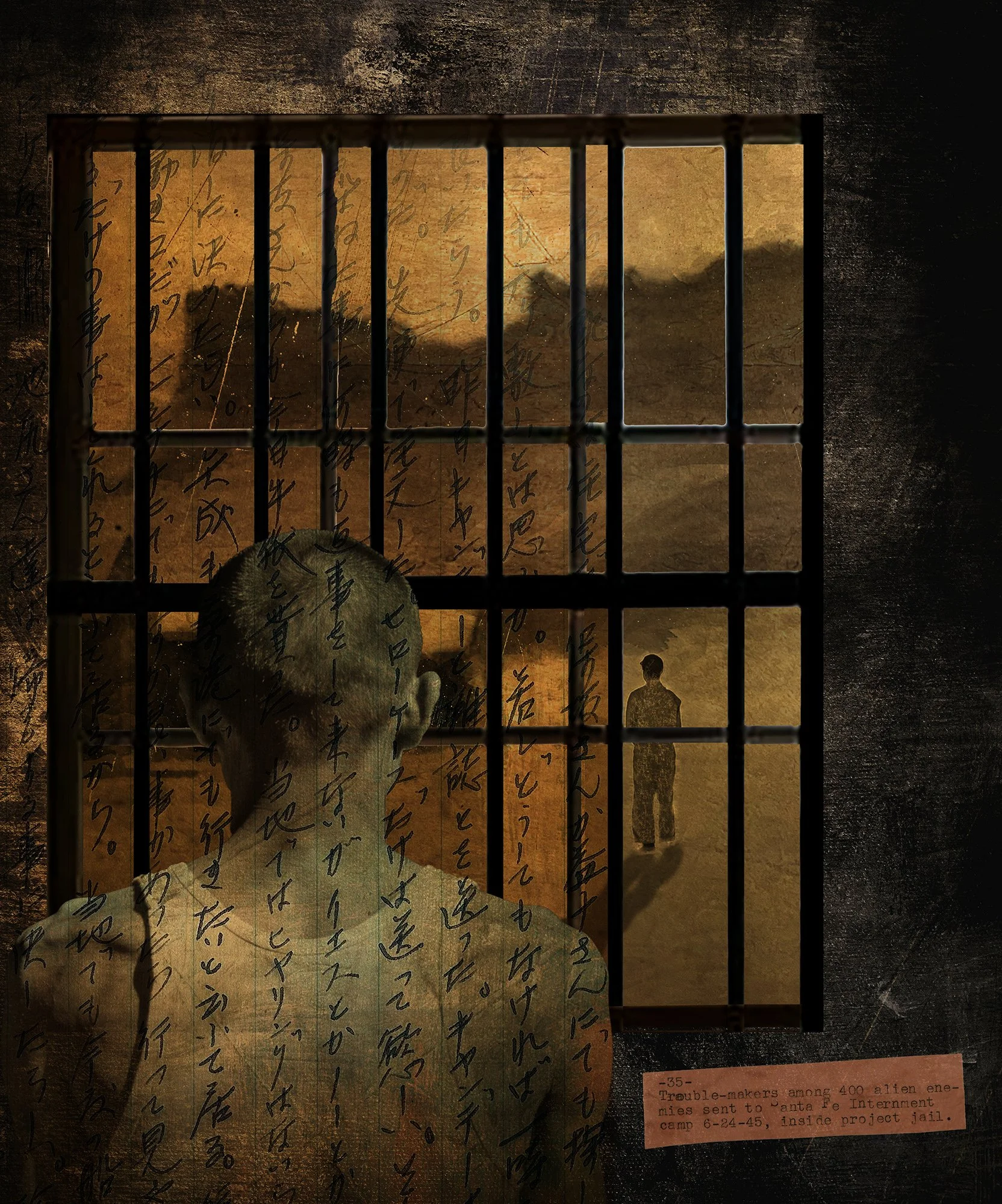
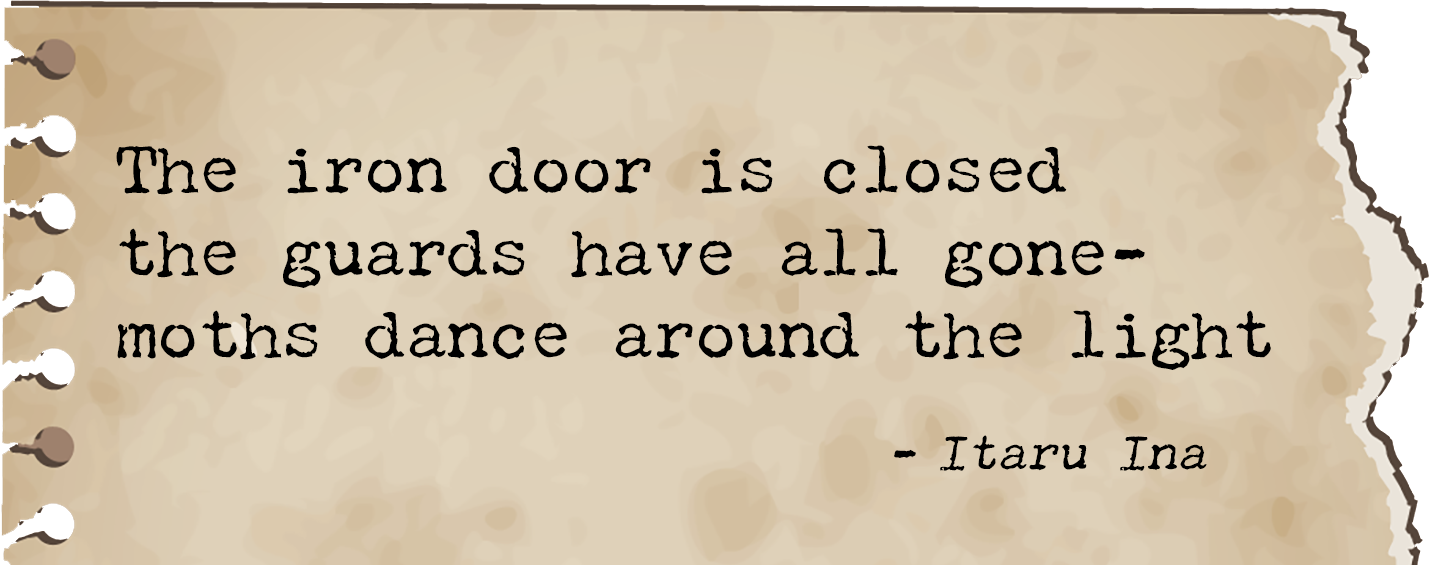
Caged Sky by glenn mitsui
This extraordinary film breaks new ground by reconstructing the story of the lay-down strike at the Tule Lake Jail in the waning days of the Segregation Center in 1945. The pieces were always there in front of us, in the violence of the Robert Ross photos and the testimonies from the period, but by lining them up in sequence using the dates and captions on the backs of the photos, filmmaker Emiko Omori and writer Barbara Takei unlock the dramatic story of resistance at Tule Lake and of a people who were indeed Defiant to the Last. It is a remarkable act of historical recovery.

— Frank Abe, lead author, We Hereby Refuse: Japanese American Resistance to Wartime Incarceration
My heart is heavy and...strangely free. Feels like caged butterflies fluttering round and round...finally escaped...You've created an amazing, healing film that will change people's lives.
— Satsuki Ina, PhD - Psychotherapist, Writer, Filmmaker, Activist
DEFIANT TO THE LAST is the stupendously powerful sequel to RABBIT IN THE MOON and Frank Abe’s similar documentary that finally challenged the JACL’s obsequious “master narrative“ that suppressed the brutal facts and dominated the myths, official euphemisms, and lies about the reality that Nikkei were political prisoners in U.S. concentration camps in World War II—and today again. Déjà vu! I...was blown away by its bold and powerful message.
The lesson in Emiko Omori’s Defiant to the Last is that our American democratic rights are dangerously fragile. The film excavates the poorly known history of the “troublemakers and disloyals” – the nearly 5,500 Americans of Japanese descent who renounced their citizenship to protest the U.S. government’s racist act of herding 120,000 Japanese Americans into concentration camps during World War II. Omori resurrects this story through an extraordinary series of black & white, archival photographs of the renunciants at the Tule Lake Segregation Center and the testimony of Satsuki Ina, who was a baby in the camp and whose father was among those who sacrificed citizenship for principle. Adding on to our troubles, Omori catapults us to the present, drawing stark parallels to the Trump Administration’s harsh treatment of immigrants, family separation policies, and bellicose threats to strip people of their citizenship. In joining anti-Trump protests at Fort Sill in Texas, Ina and other Japanese American camp survivors demonstrate the power and necessity to remain defiant to the last, lest history repeat itself.
— Donald Teruo Hata, PhD - Emeritus Professor of History, California State University, Dominguez Hills
— Jon Funabiki - Journalist
I watched Defiant to the Last — it’s astonishing… The lay-down strike is so moving and profound, so empowering, so enraging and sad, so inspiring, all at once — And the way it’s presented is incredible. I felt like I was holding my breath through much of it, absolutely rapt... Thank you for illuminating, so vividly and precisely, this moment, these moments, in history. I like thinking of Rabbit in the Moon and Defiant to the Last (Defiant Rabbit?) complementing each other, and manifesting the evolution of the story, what is told and how…
— Brandon Shimoda - Award-winning Poet
What an incredible film! A quiet, powerful work portraying an unknown piece of the internment history — a story that can inspire generations of civil rights activists to come in the dignity, courage and peaceful but stone hard conviction of citizens protesting their own government. Their stripping down and wearing white for their lay-down protest made them kind of spiritual warriors. I hope a lot of people get to see this piece, because it can reverse long-held misconceptions of the Tule Lake internees and allow these men to be embraced as front line warriors against the duplicitous Goliath of the U.S. government.
— Canyon Sam - Author of Sky Train: Tibetan Women on the Edge of History