About the Film
Based on lies and wartime propaganda, during WWII the U.S. government forcibly removed and incarcerated more than 125,000 innocent Japanese Americans in ten American concentration camps, solely because of their race.
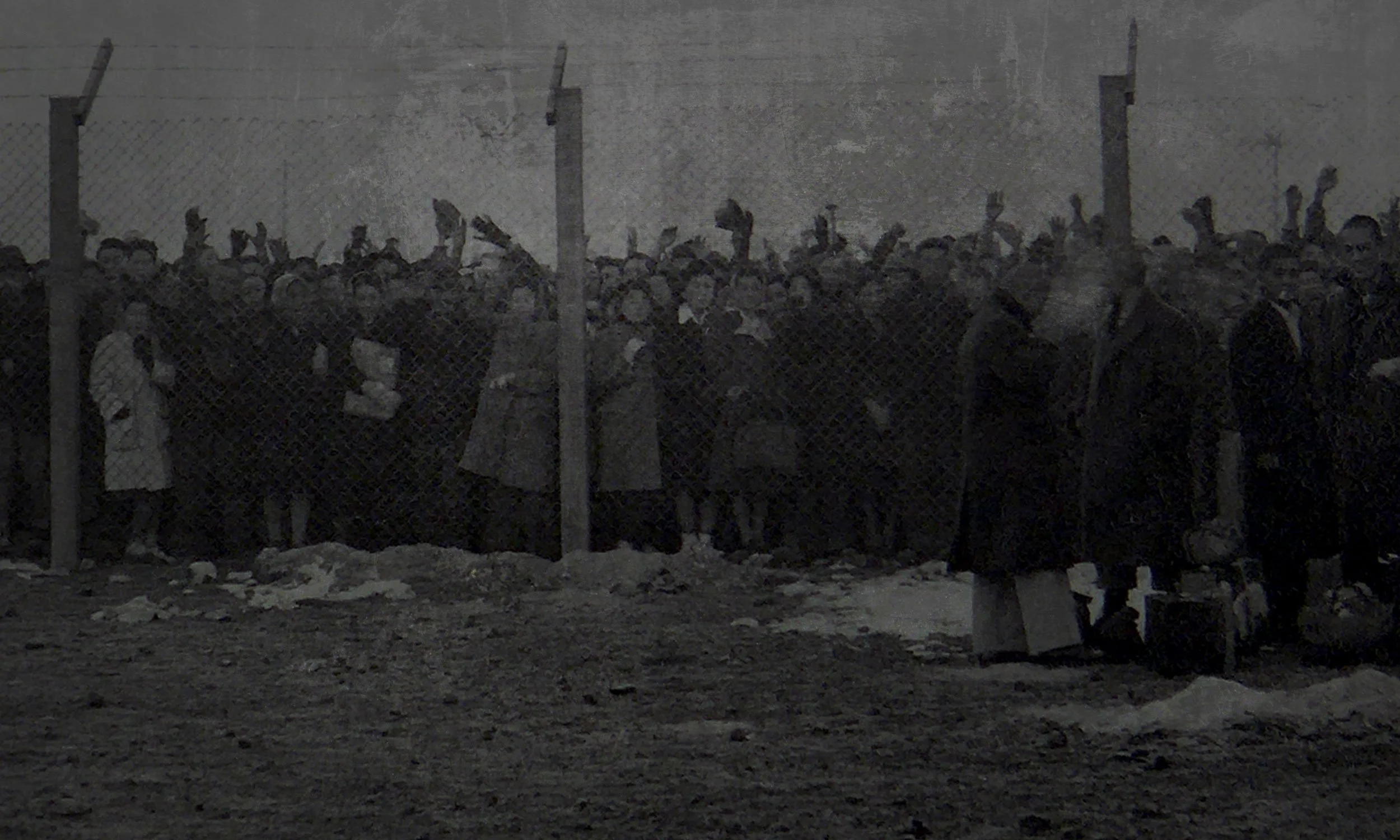
At all the prison sites, despite the mythology of quiet compliance, Japanese Americans showed moral courage, resisted, and refused to accept the government’s abuse. Defiant to the Last tells the story of the Tule Lake Segregation Center where dissident Japanese Americans were demonized and punished for speaking out against the false wartime incarceration.
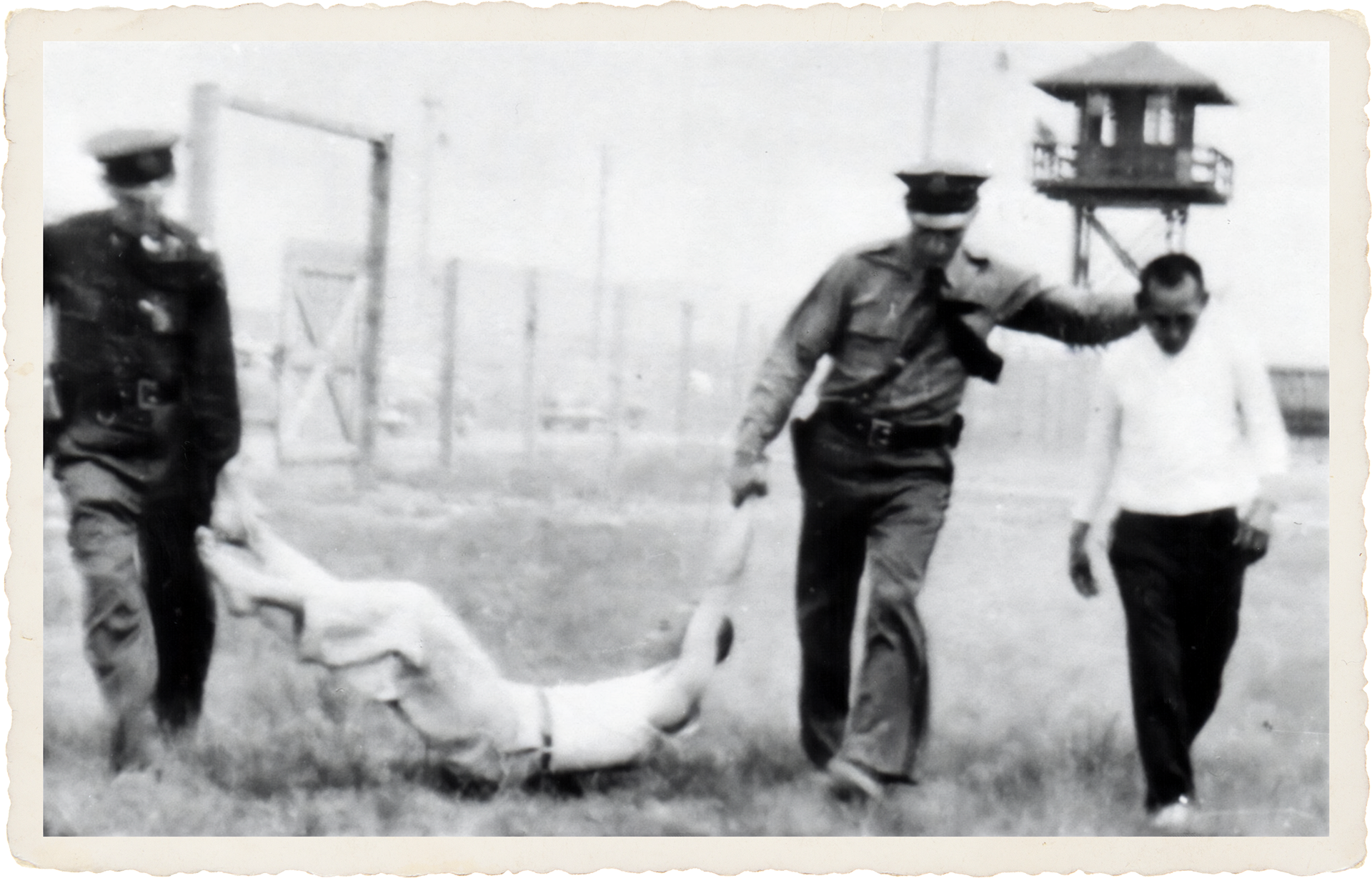
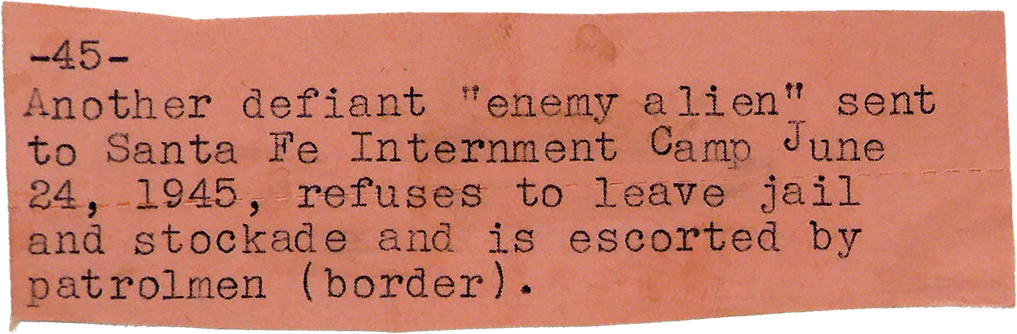
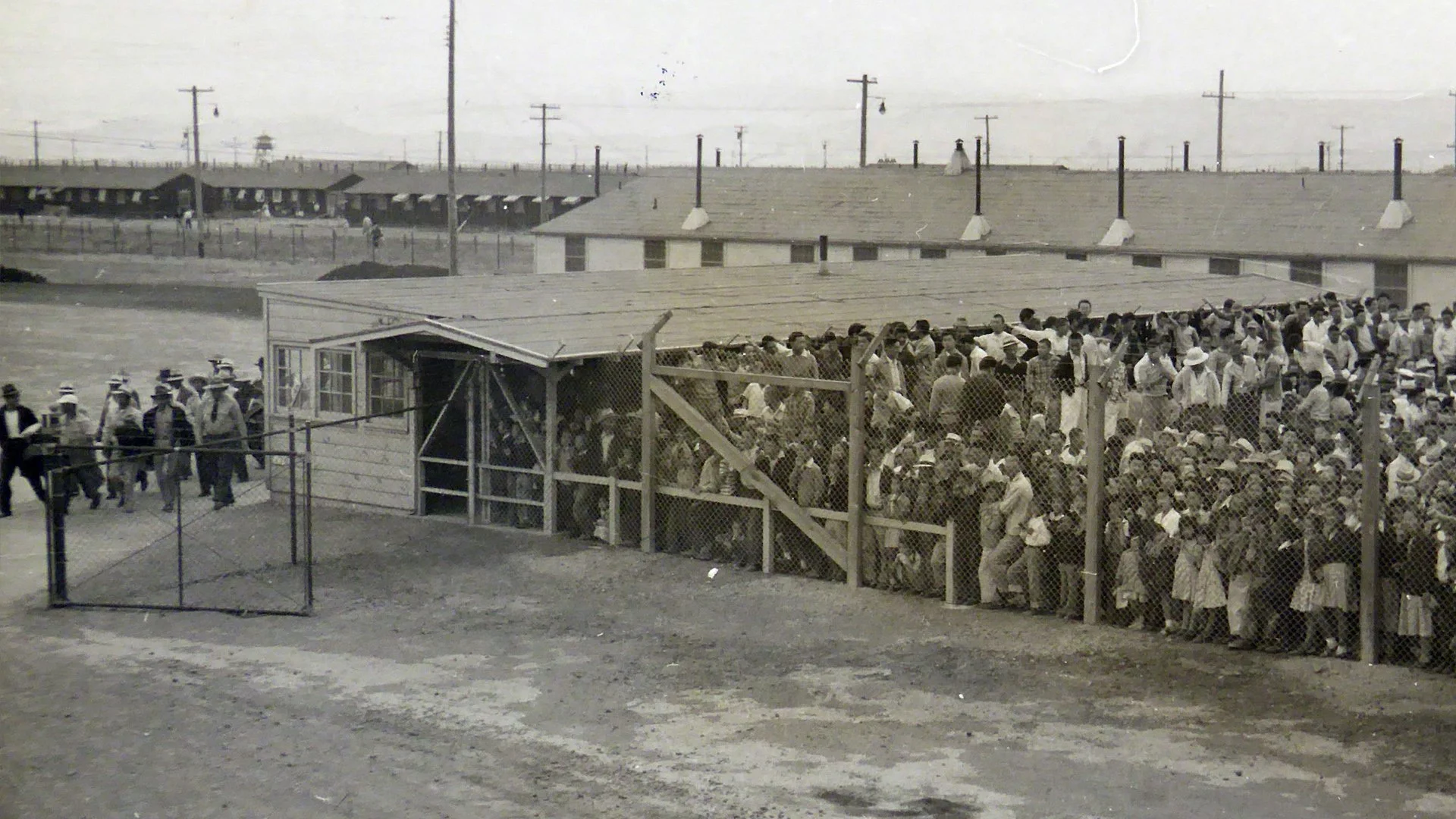
In 1943, Tule Lake was converted into the only maximum-security Segregation Center where the Army deployed a 1,000 person battalion to oversee the imprisoned men, women, and young children. Tanks rolled in, six guard towers were increased to 28, and an eight-foot high double "man-proof" fence was constructed to prevent escape from this remote concentration camp located in the isolated northeastern corner of California. Tule Lake became a repressive, high-security prison filled with the dissatisfied.
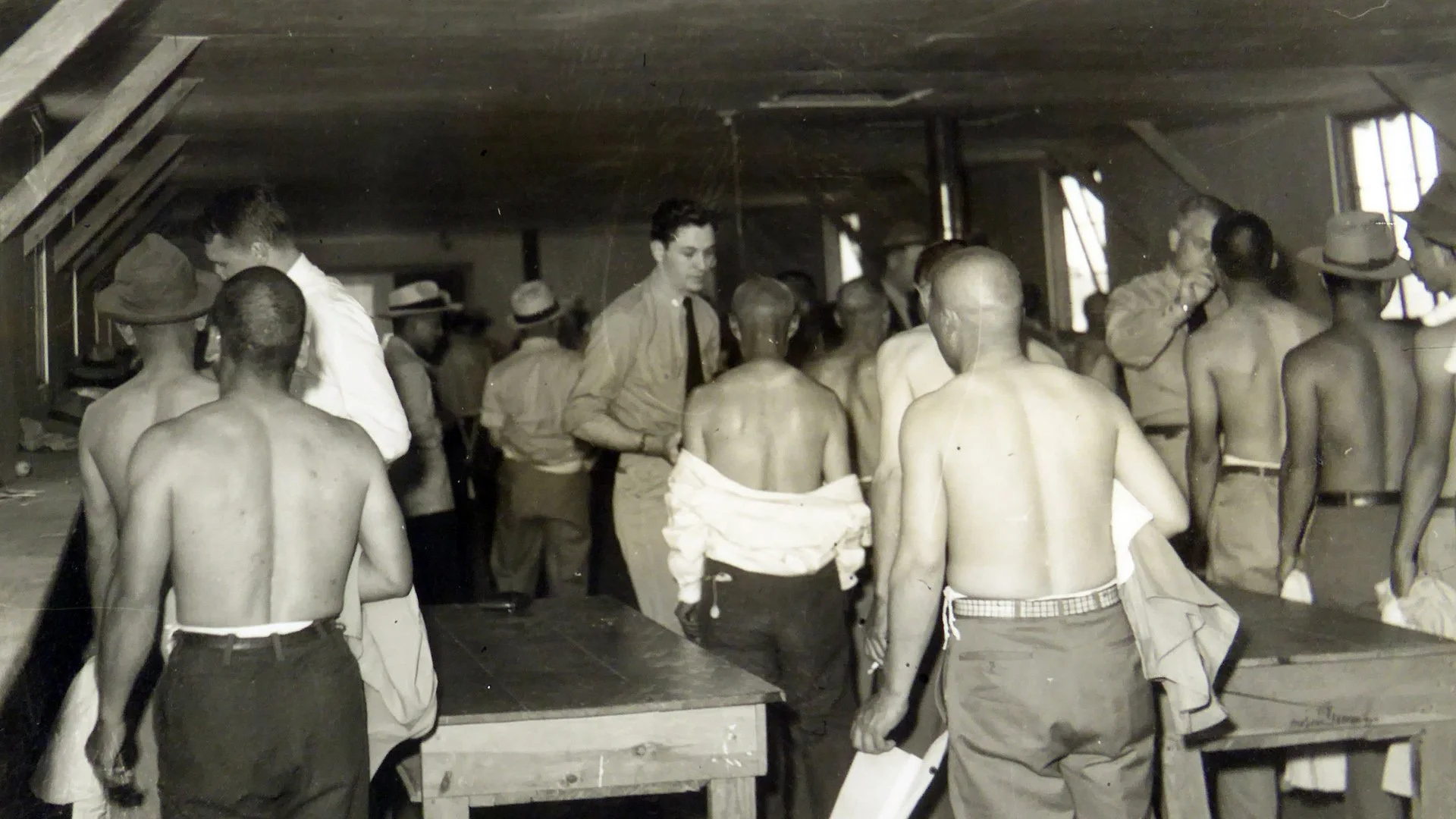
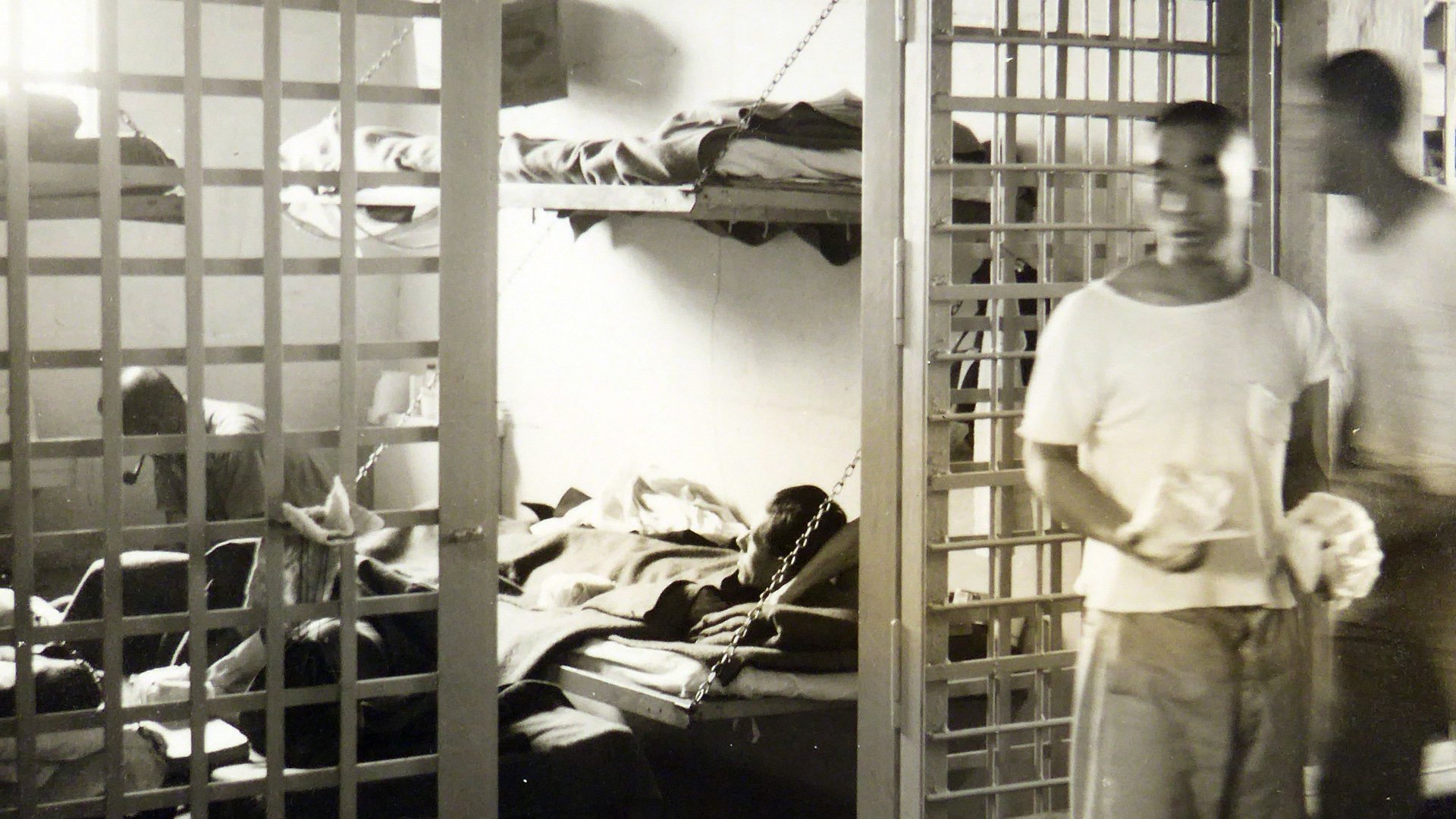
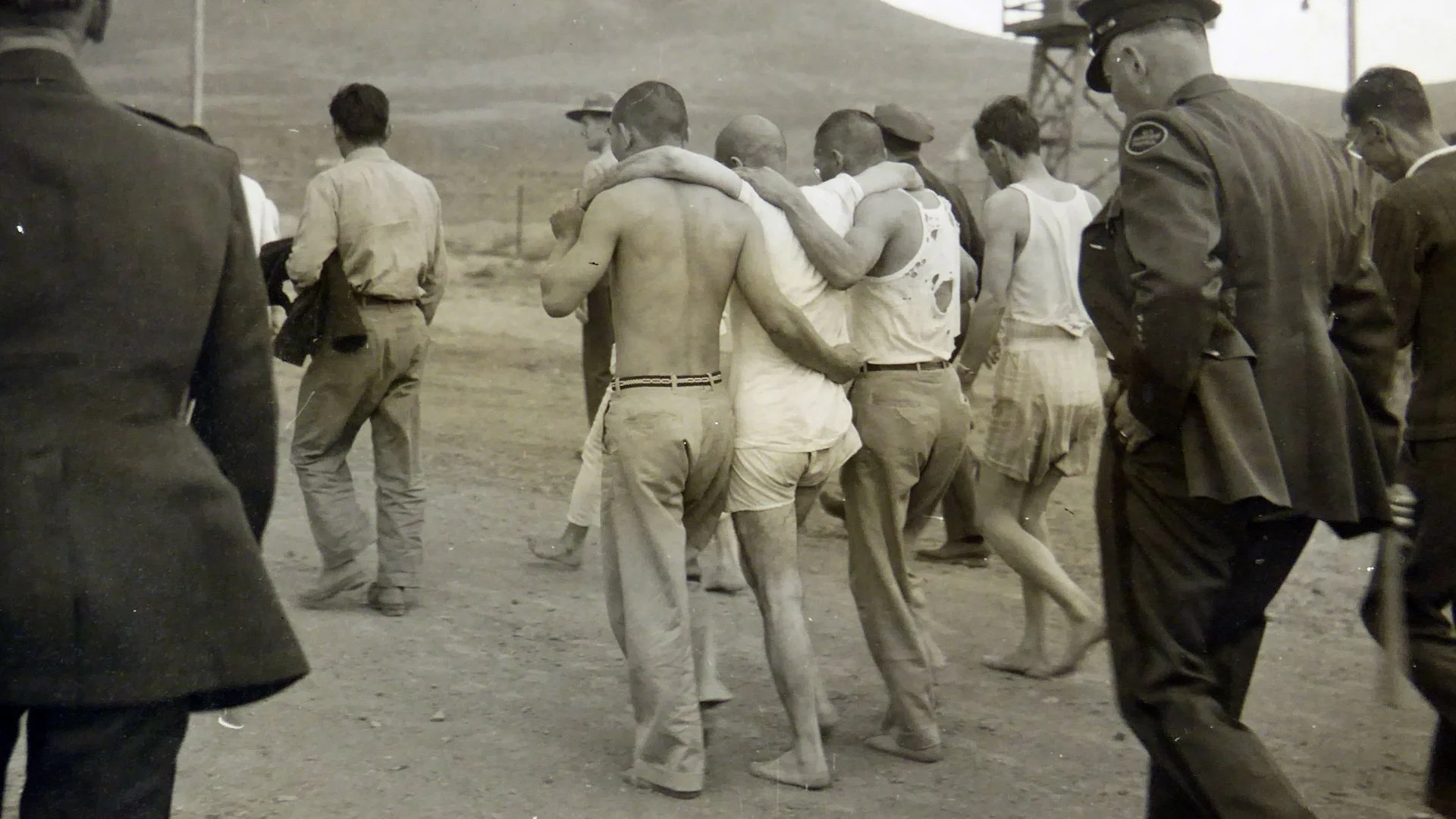
For over 80 years, the iconic Tule Lake jail was a structure that remained a mystery. Why did the government build a jail inside the concentration camp? Piecing together government photos and reports, a chilling story of human and civil rights violations at the Tule Lake Segregation Center was revealed. Inmates were threatened and coerced into giving up birthright US citizenship, separated from their families, and removed to Department of Justice camps in Bismarck, ND and Santa Fe, NM. Thousands were deported for daring to protest and resist the unjust WWII incarceration.
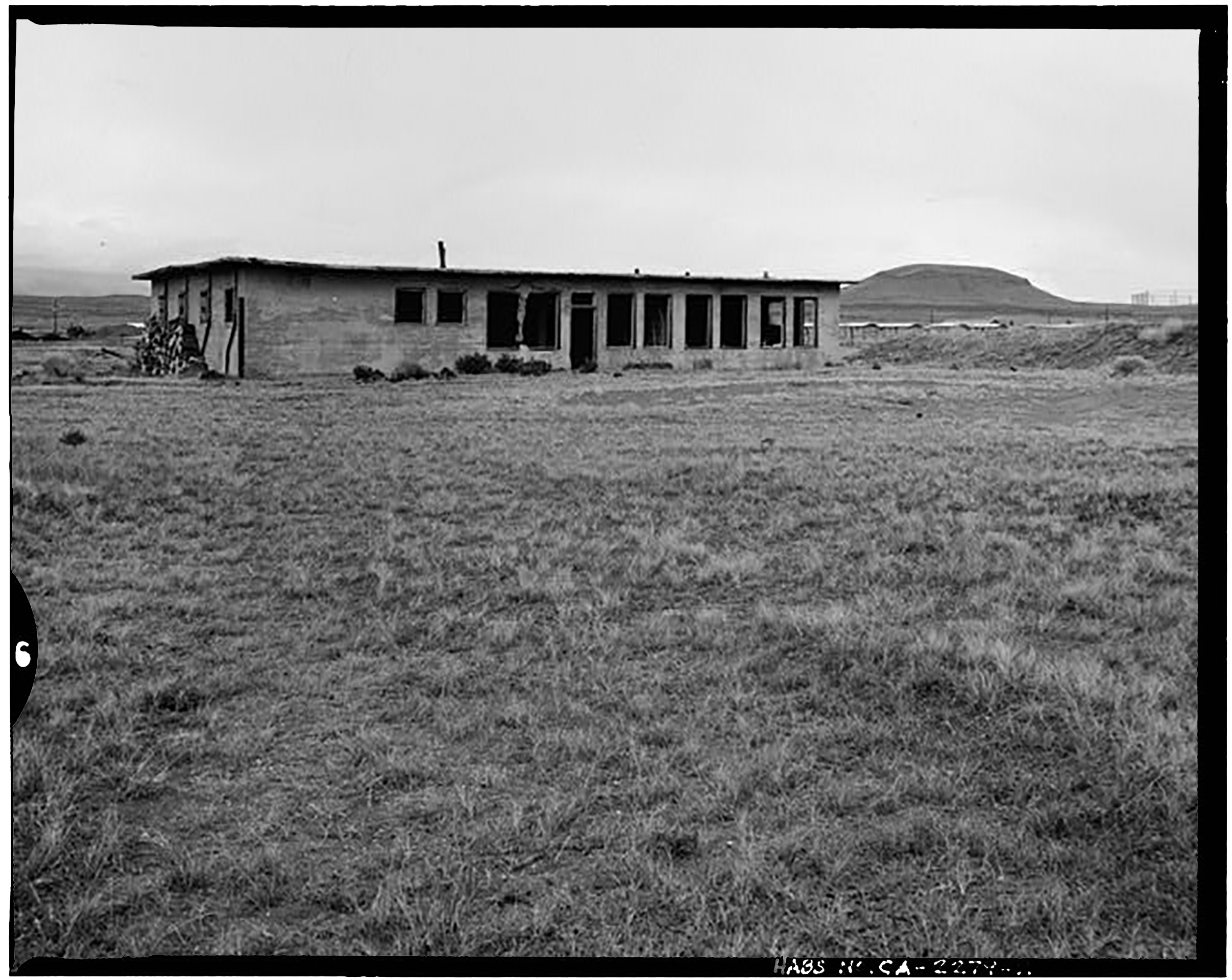
Today, history is repeating. Once again, the government is using repressive tactics to round up aliens and US citizens, disregarding their constitutional rights and due process, and imprisoning them with the goal of deporting them. Defiant to the Last honors those who challenged injustice and reminds us how fragile civil liberties can be, in any era.
About the Team
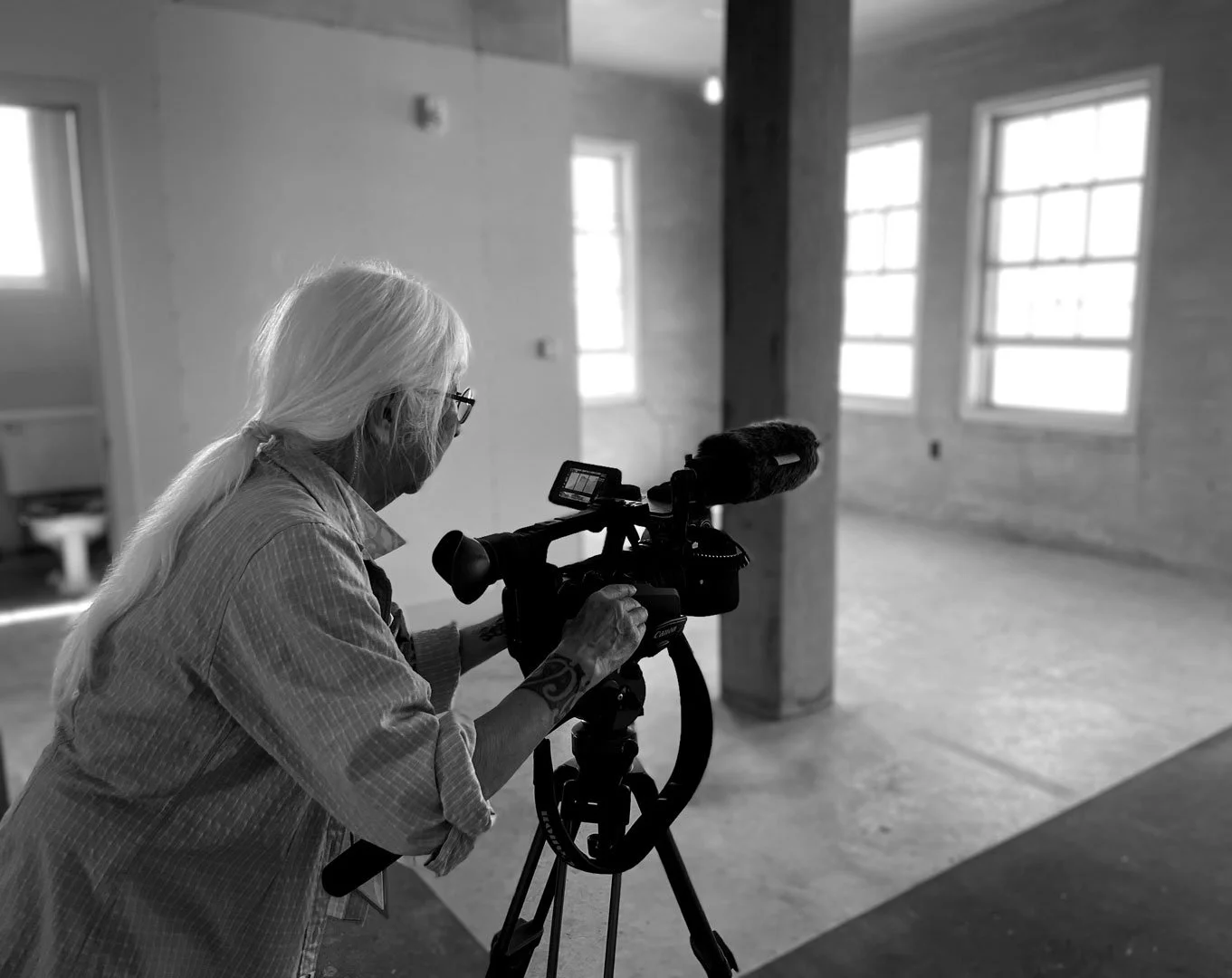
Director Emiko Omori
DIRECTOR EMIKO OMORI was incarcerated as a toddler with her family at Poston Concentration Camp, Arizona. She studied film at San Francisco State University. In 1968 she was the first female Asian American cinematographer at KQED, the PBS station in San Francisco. Omori's defining work, Rabbit in the Moon, explores the Japanese American incarceration experience. Co-produced with her sister, Chizu Omori, it won a national Emmy, an award at the 1999 Sundance Film Festival where it premiered, and was broadcast nationally on the PBS series, POV. Among its many awards is the John E. O'Connor Film Award from the American Historical Association. Hot Summer Winds, based on two short stories by Hisaye Yamamoto was broadcast on American Playhouse to great acclaim. She is a member of the Academy of Motion Picture Arts and Sciences.
Producer Barbara Takei

PRODUCER BARBARA TAKEI is a Sansei public historian born and raised in Detroit. She was introduced to the Asian American movement in the late 1960s by revolutionary thinker Grace Lee Boggs and is a graduate of Howard University, an HBCU.
For more than two decades, Takei has served on the board of the Tule Lake Committee, working to honor the history of Japanese American grassroots resistance at the Tule Lake Segregation Center and to prevent the federal government from desecrating the historic concentration camp site.
Her work is deeply personal. Her mother, Bette (Sato) Takei, was incarcerated at Tule Lake and Granada, while her father, Kuichi Takei—drafted into the U.S. Army in February 1941—was imprisoned after Pearl Harbor as an “enemy alien” in American POW camps. He was later sent to Europe with the 522nd Field Artillery Battalion that liberated the Dachau concentration camp in Germany, while his wife remained imprisoned in an American concentration camp. Takei continues work on America’s Worst Concentration Camp, a book begun with the late historian Roger Daniels.
Historical Photos and Captions
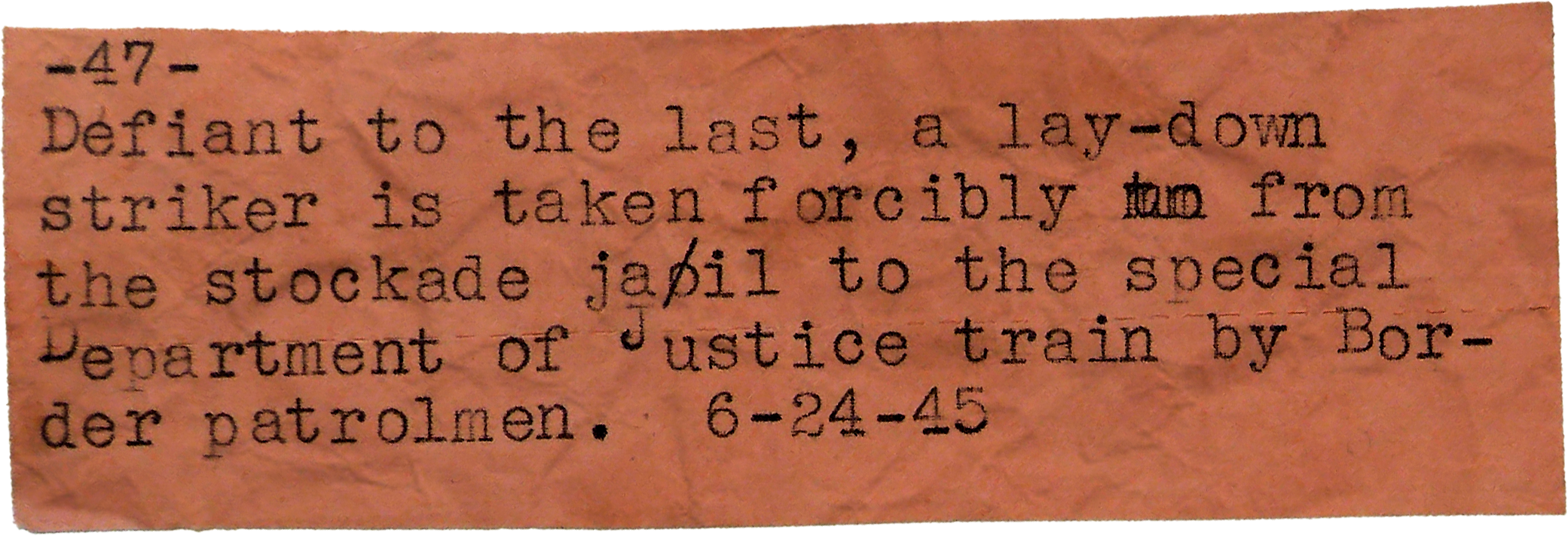
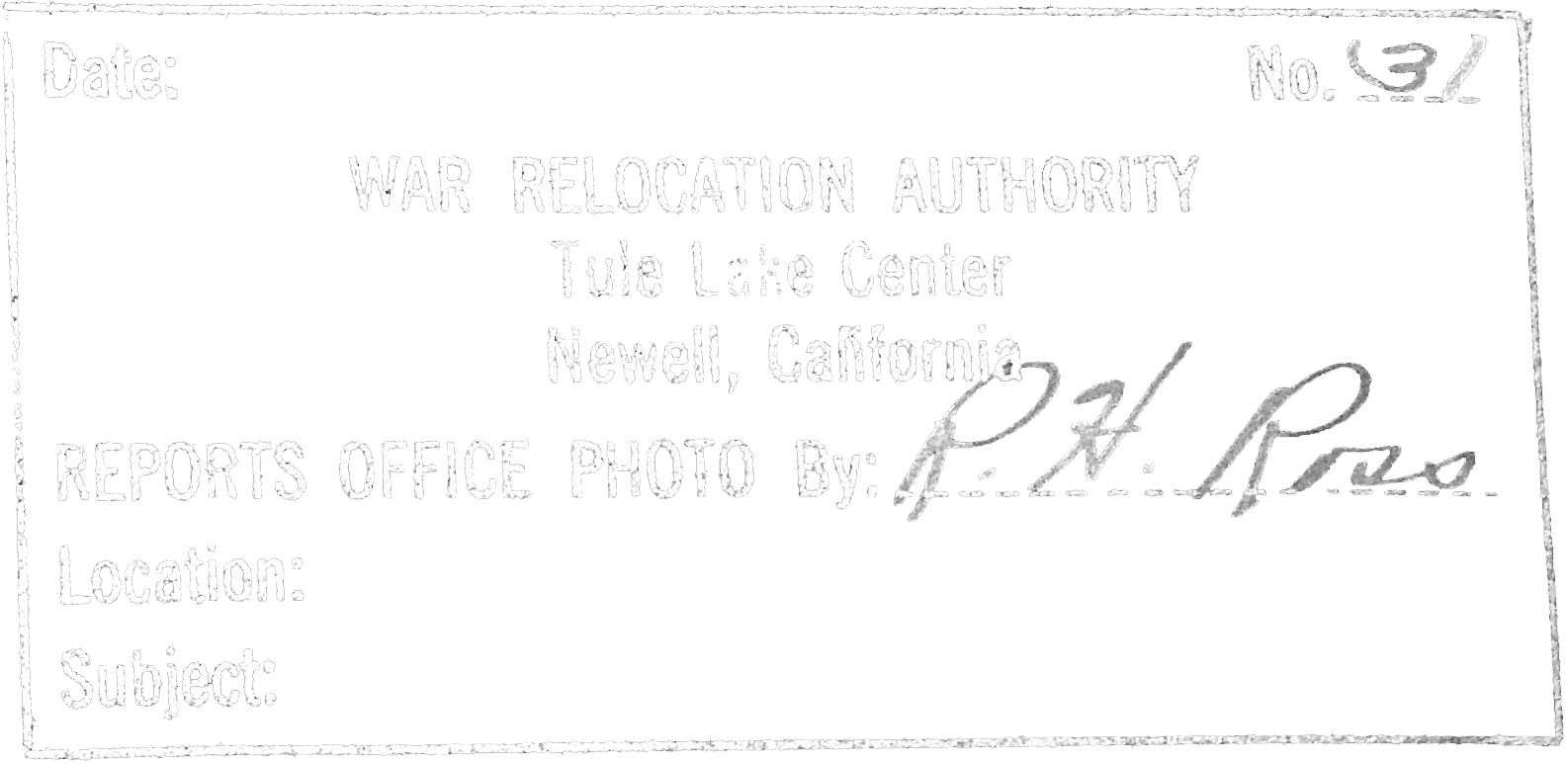
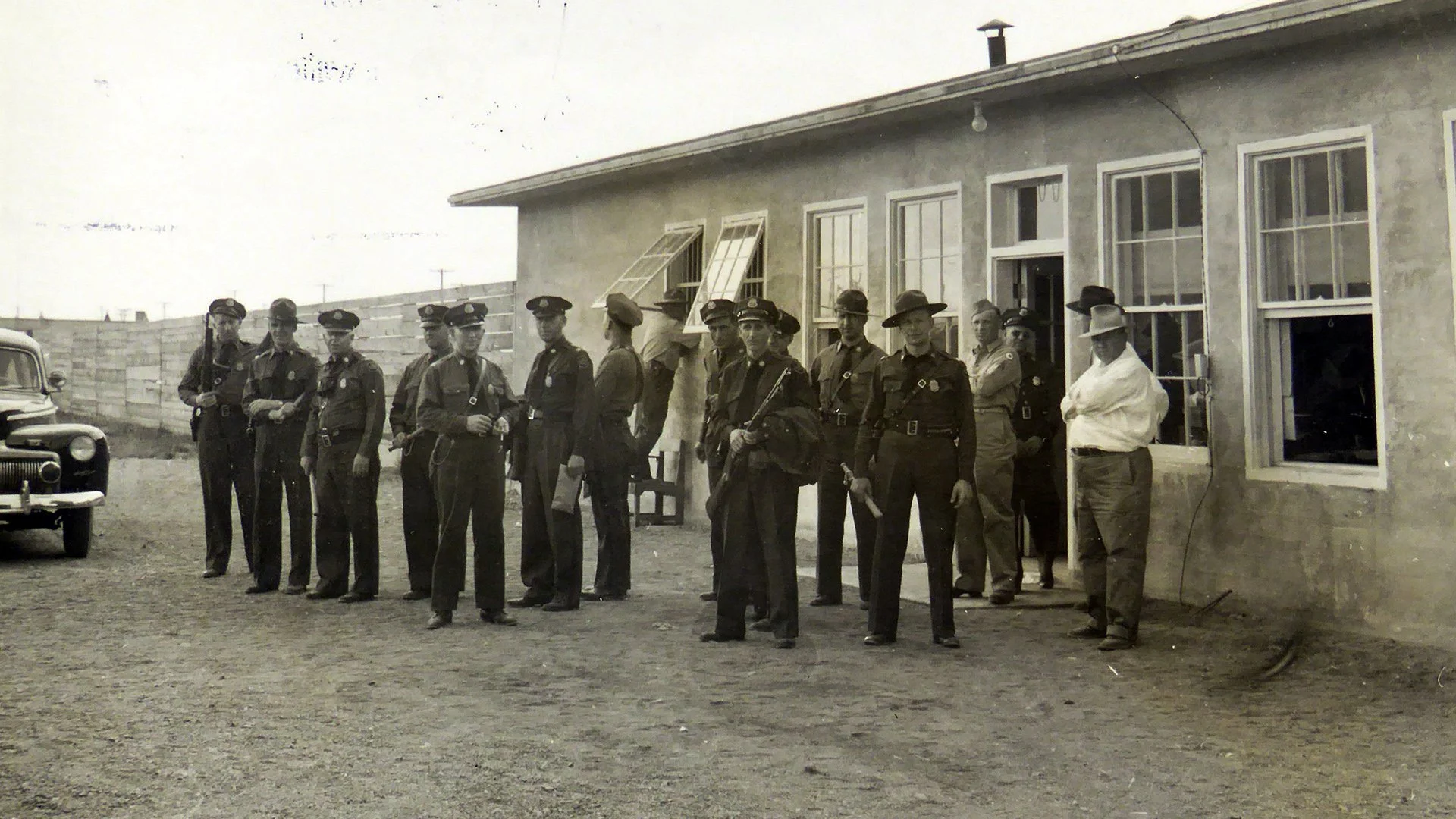
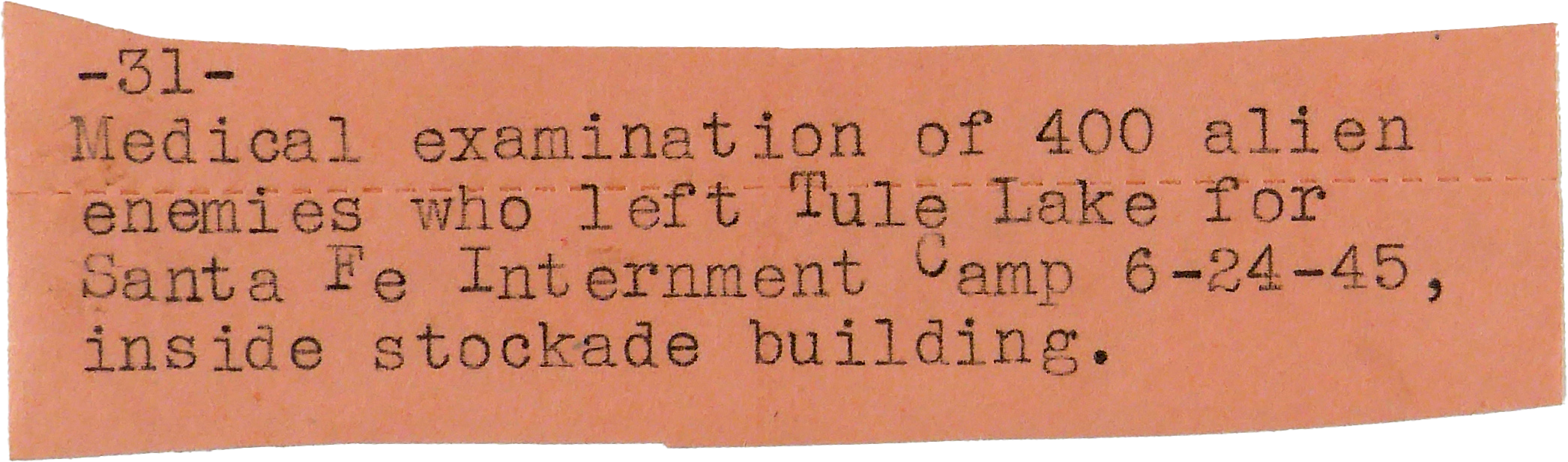
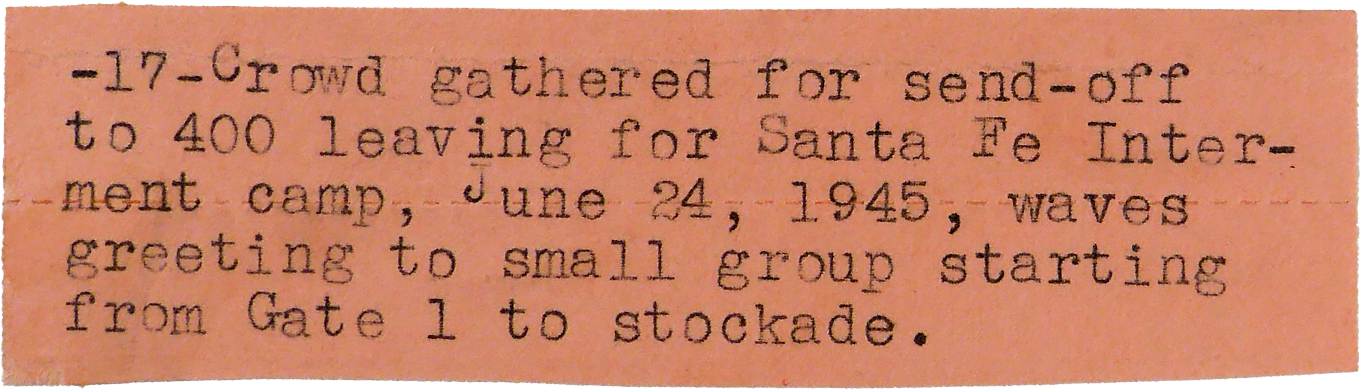
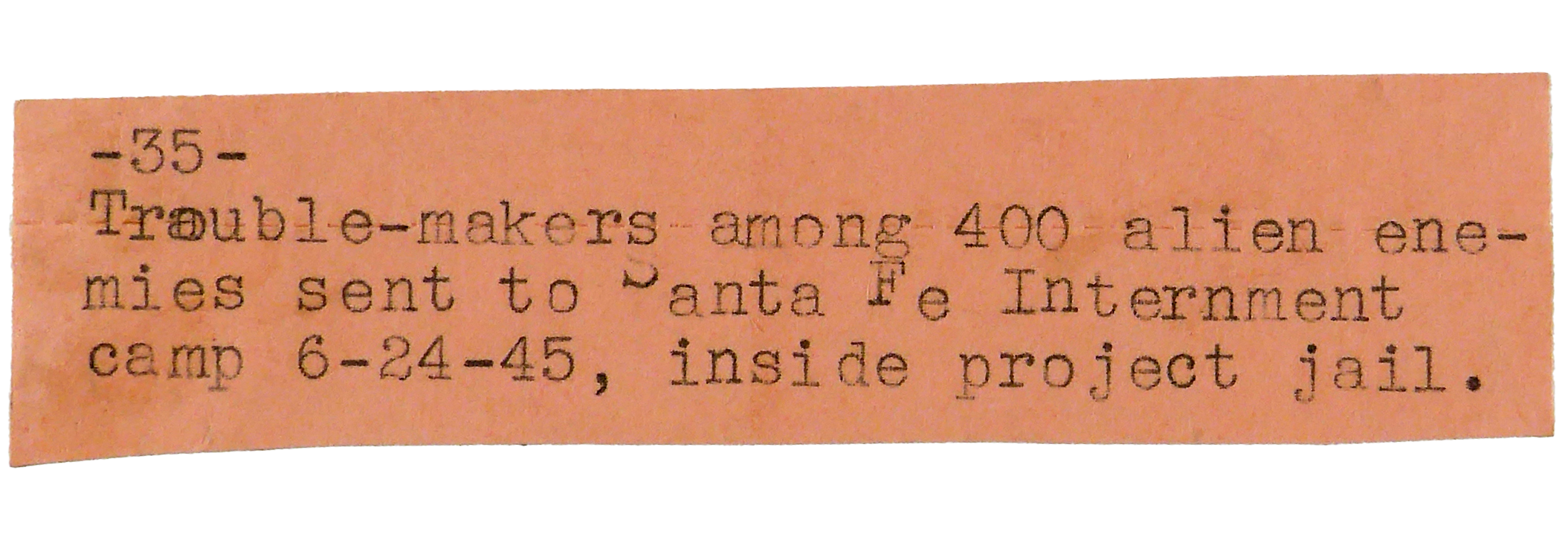
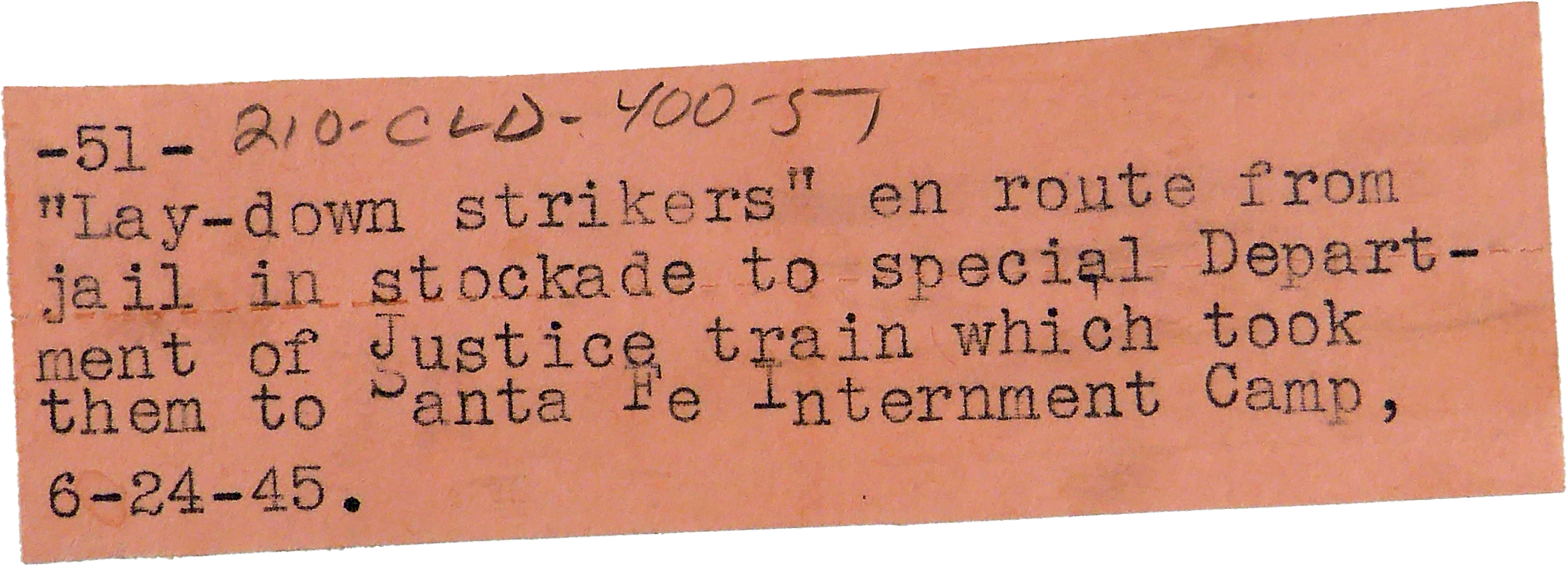
Piecing together the captions and dates on the backs of these photographs taken by War Relocation Authority photographer Robert Ross with government memos and reports, the story of resistance by the inmates emerged. The film visually reconstructs one of the most chaotic and insidious times at the Tule Lake Segregation Center. What appeared as submission by the inmates was, in fact, a hidden story about protest and resistance to the illegal, violent, unconstitutional treatment by the US government.

Defiant to the Last was made possible by generous grants from The California Civil Liberties Public Education Program and the Takahashi Foundation.